

OT table hydraulic
Original price was: ₹200,000.00.₹149,499.00Current price is: ₹149,499.00.
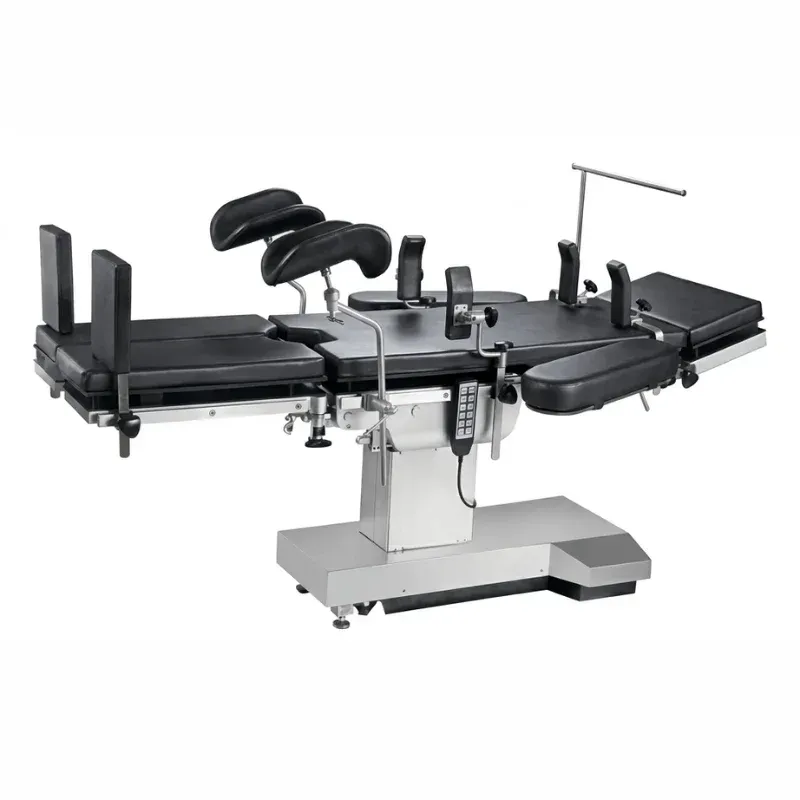
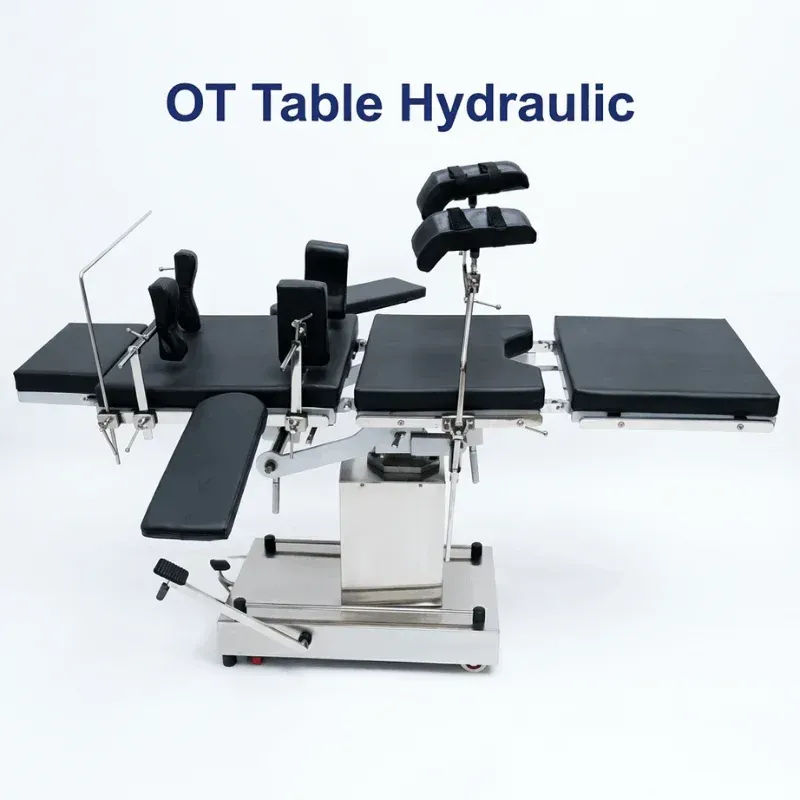
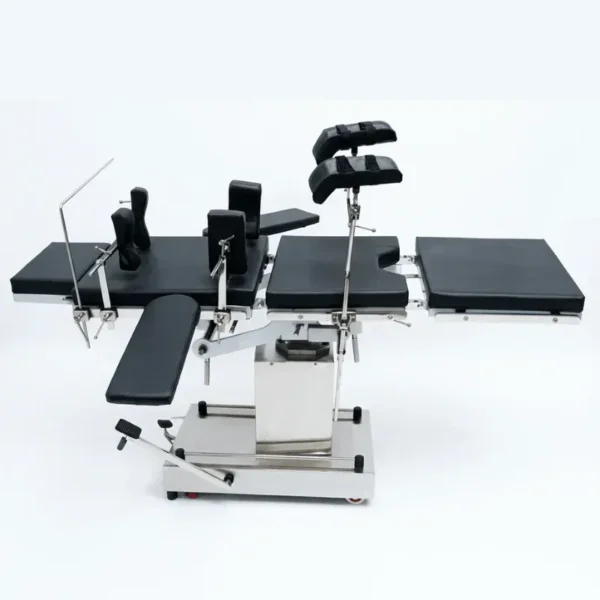
Not every OT needs buttons and a remote. A good hydraulic OT table for hospitals does one job and does it right: holds a patient steady, raises and lowers smoothly, and keeps working year after year without a technician on speed dial. This one has a padded multi-section top, leg rests for gynae and general positioning, arm boards fitted along the sides, and a hydraulic base that moves without any jerk or hesitation. Plain. Sturdy. Gets used every single day without complaint.
Description
What a Table Like This Is Actually Supposed to Do
Ask a theatre nurse what they actually want from a table. Not a long list. Usually it’s: move it up, move it down, keep the patient still, don’t break. That’s it. The operation table height adjustment mechanism on this one runs on hydraulic pressure, no motor, no wiring to worry about. Push the pedal or work the pump, and it goes where you need it. Nothing fancy, nothing to go wrong beyond the occasional seal check.
Daily Use Is the Real Test
Specs on paper mean nothing if a table can’t survive a full week of back-to-back cases. This one’s built as an OT table for daily surgical use, which really just means the padding holds up, the frame doesn’t start creaking after six months, and the surface still wipes clean after the hundredth disinfectant pass. A lot of cheaper tables look fine in a photo and start falling apart within a year. This isn’t one of those.
Leg Rests, Arm Boards, and Why They’re Not Optional Extras
A leg rest and arm board OT table setup sounds like a minor detail until you’re the one trying to position a patient without it. Gynae cases need the leg rests. General surgery needs the arm boards. Having both built in, rather than scrambling for separate attachments mid-procedure, saves real time on a busy list.
Hydraulic Over Electric — When It Actually Makes Sense
Electric tables are great. They’re also expensive to fix when the motor or control board fails, and in a lot of towns, finding someone who can repair that quickly isn’t easy. A long lasting hydraulic surgery table skips that risk almost entirely. Fewer parts. Fewer things that can short out or stop responding. If your OT runs a mix of general and gynae cases and doesn’t need programmable memory positions, hydraulic is usually the smarter buy, not the cheaper compromise people sometimes assume it is.
Three Honest Questions Before You Buy Any Hydraulic Table
- Does the pedal or pump move smoothly through the full range, or does it catch halfway?
- How thick is the padding, and does the cover material actually survive repeated cleaning?
- What’s the real turnaround time if the hydraulic seal needs replacing a few years in?
- Does the pedal or pump move smoothly through the full range, or does it catch halfway?
- How thick is the padding, and does the cover material actually survive repeated cleaning?
- What’s the real turnaround time if the hydraulic seal needs replacing a few years in?
Ask these of any supplier. If they can’t answer clearly, that tells you something.
Who Actually Buys This Table
- General hospitals running a mixed daily surgical schedule
- Gynae and minor procedure units needing reliable leg support
- Facilities that would rather spend on something sturdy than something flashy
- Smaller nursing homes and clinics working with a defined equipment budget
- Training hospitals where staff need equipment that behaves predictably
Upkeep, in Plain Terms
Check the hydraulic seal now and then for leaks. Wipe everything down after every case, standard disinfectant, nothing abrasive. Check that the leg rests and arm boards lock properly, loose fittings are the first sign something needs attention. That’s really all there is to it.
- General hospitals running a mixed daily surgical schedule
- Gynae and minor procedure units needing reliable leg support
- Facilities that would rather spend on something sturdy than something flashy
- Smaller nursing homes and clinics working with a defined equipment budget
- Training hospitals where staff need equipment that behaves predictably
Upkeep, in Plain Terms
Check the hydraulic seal now and then for leaks. Wipe everything down after every case, standard disinfectant, nothing abrasive. Check that the leg rests and arm boards lock properly, loose fittings are the first sign something needs attention. That’s really all there is to it.
Reviews (0)
Related products
-
Delivery And Operation Table
Delivery Tables
Original price was: ₹8,000.00.₹5,799.00Current price is: ₹5,799.00. Add to cart -
Delivery And Operation Table
Surgihub operating table
Original price was: ₹35,000.00.₹28,999.00Current price is: ₹28,999.00. Add to cart -
Delivery And Operation Table
OT table C-Arm electric
Original price was: ₹50,000.00.₹39,999.00Current price is: ₹39,999.00. Add to cart -
Delivery And Operation Table
Surgihub Multi Purpose C- Arm Compatible Electric Operating Table
Original price was: ₹190,000.00.₹164,999.00Current price is: ₹164,999.00. Add to cart
Reviews
There are no reviews yet.