

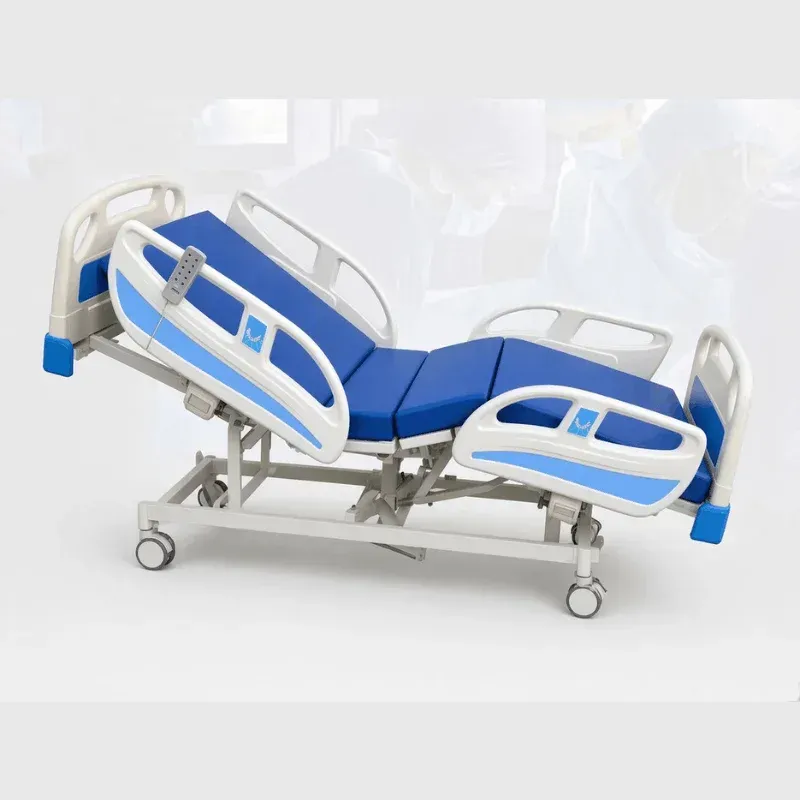
Electric ICU Bed Three function
Original price was: ₹20,000.00.₹14,999.00Current price is: ₹14,999.00.
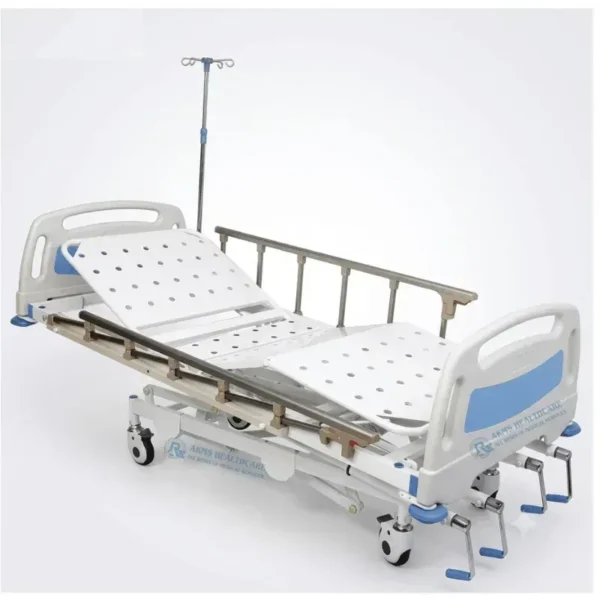
ICU staff reposition patients constantly through a shift, and doing that manually on every bed in a full ward just isn’t realistic once patient numbers go up. This electric ICU bed three function handles the three adjustments used most often, backrest angle, knee-rest elevation, and overall bed height, all through motorised control rather than manual cranking. Foldable side railings run along both edges for patient safety, and the whole frame rolls on smooth caster wheels for repositioning within the ward. It’s built specifically for the pace of ICU and critical care work, where quick, reliable adjustment genuinely affects patient comfort and staff efficiency.
Description
Why Three Functions Cover Most of What ICU Care Actually Needs
Not every critical care bed needs a dozen motorised movements to be useful. In practice, three adjustments cover the bulk of daily ICU repositioning: raising the backrest for breathing comfort or feeding, lifting the knee section to relieve pressure during long periods of bed rest, and adjusting overall bed height to match different care tasks, from routine checks to more involved procedures at bedside. >/p>
As an electric hospital bed, this model handles all three through motorised control, meaning nursing staff can reposition a patient in seconds rather than manually working a crank handle, a real difference when a ward’s running multiple patients through a single shift and time genuinely matters.
Side Railings Built for Constant Use
Being an ICU bed with side railings, both edges fold up and down easily, giving fall protection when raised and quick bedside access when lowered for care tasks or family visits. In a critical care setting, patients are often sedated, disoriented, or simply too weak to safely manage without rail support, so this isn’t an optional add-on, it’s a core safety feature built into daily ICU routine.
The railings are designed to lock securely once raised, avoiding any accidental drop during patient movement or transfer.
Motorised Movement, Explained
As a motorized patient bed, adjustment runs through an electric motor system, usually operated via a control panel mounted on the bed rail or a separate handheld pendant. This keeps adjustment consistent and repeatable, no guessing at crank turns or uneven manual positioning between different staff members handling the same patient across shifts.
Height adjustment specifically matters for staff ergonomics too, raising the bed to a comfortable working height during procedures reduces the physical strain that comes with constantly bending over a fixed-height bed through a long shift.
Built for the ICU Environment Specifically
A three function ICU bed like this one needs to handle frequent use without wearing down quickly, since ICU beds rarely sit idle for long. The frame and railings use finishes that hold up under repeated disinfecting, standard practice in any critical care unit given the infection control standards involved.
The caster wheels are sized for smooth movement even with a patient and full bed setup, since ICU beds do get repositioned within a ward more often than general ward beds, whether for space reasons, equipment access, or transfer preparation.
Where This Bed Is Typically Used
- ICU and critical care units managing patients needing frequent repositioning
- High dependency units bridging general ward and full ICU care
- Post-operative recovery areas needing quick adjustment capability
- Multi-speciality hospitals standardising on motorised bed systems
- Facilities upgrading from manual beds to reduce nursing staff strain
Keeping the System Reliable
Have the motor and electrical components checked on a scheduled basis by qualified technicians, this isn’t equipment to troubleshoot informally. Wipe the frame and railings down with standard ICU disinfectant after each use. Test the railing locks regularly, and check the caster wheels for smooth rolling, particularly in a ward where the bed moves position often.
FAQs
Backrest angle, knee-rest elevation, overall height, Trendelenburg/reverse Trendelenburg tilt, and lateral tilting.
No, every function runs through manual hand cranks, no power connection is required for adjustment.
Yes, when used appropriately for the clinical situation it’s intended for; positioning decisions should follow standard clinical guidance.
Yes, each of the five functions operates through its own separate crank, without affecting the others.
Yes, since it requires no electricity for any adjustment, it works reliably regardless of power availability.
Reviews (0)
Related products
-
Hospital ICU Bed
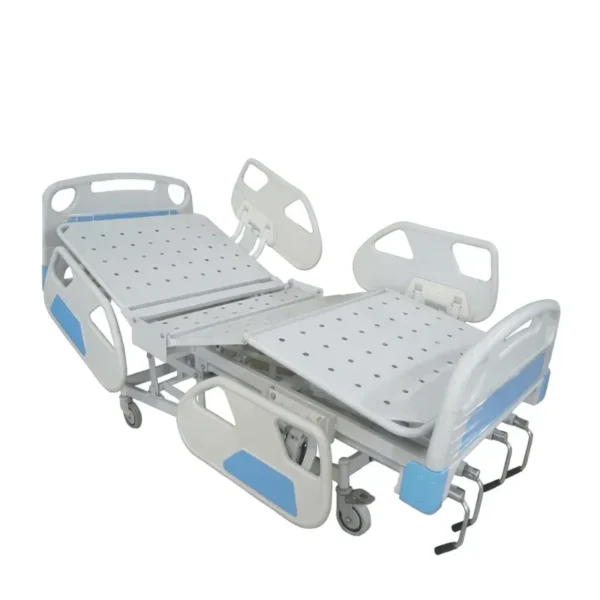
ICU-Five-Functional manual bed
Original price was: ₹35,000.00.₹26,999.00Current price is: ₹26,999.00. Add to cart -
Hospital ICU Bed
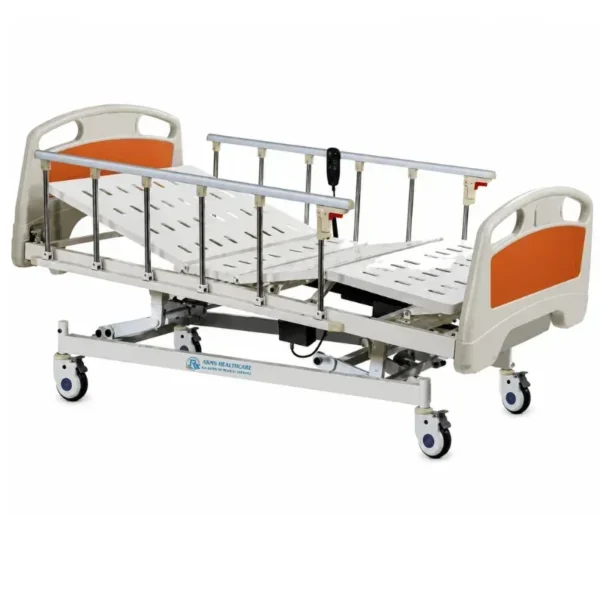
Automatic ICU Five Functional Electric Bed
Original price was: ₹50,000.00.₹39,999.00Current price is: ₹39,999.00. Add to cart -
Hospital ICU Bed
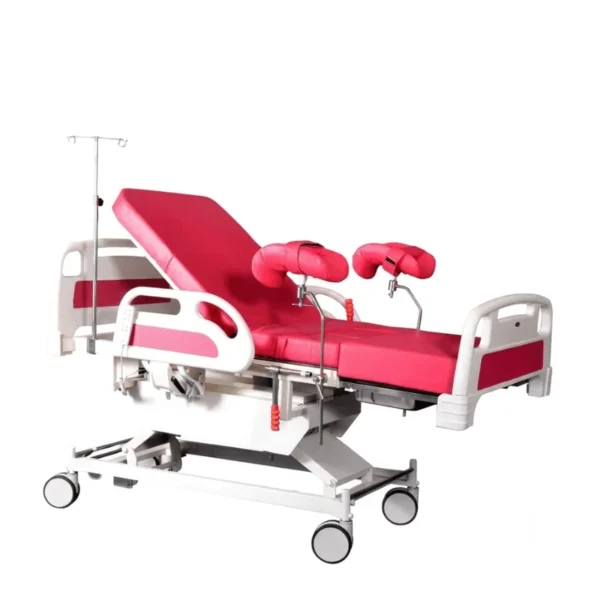
MS Delivery bed
Original price was: ₹70,000.00.₹49,000.00Current price is: ₹49,000.00. Add to cart -
Hospital ICU Bed
Five Functional Manual ICU Bed
Original price was: ₹50,000.00.₹39,999.00Current price is: ₹39,999.00. Add to cart
Reviews
There are no reviews yet.