

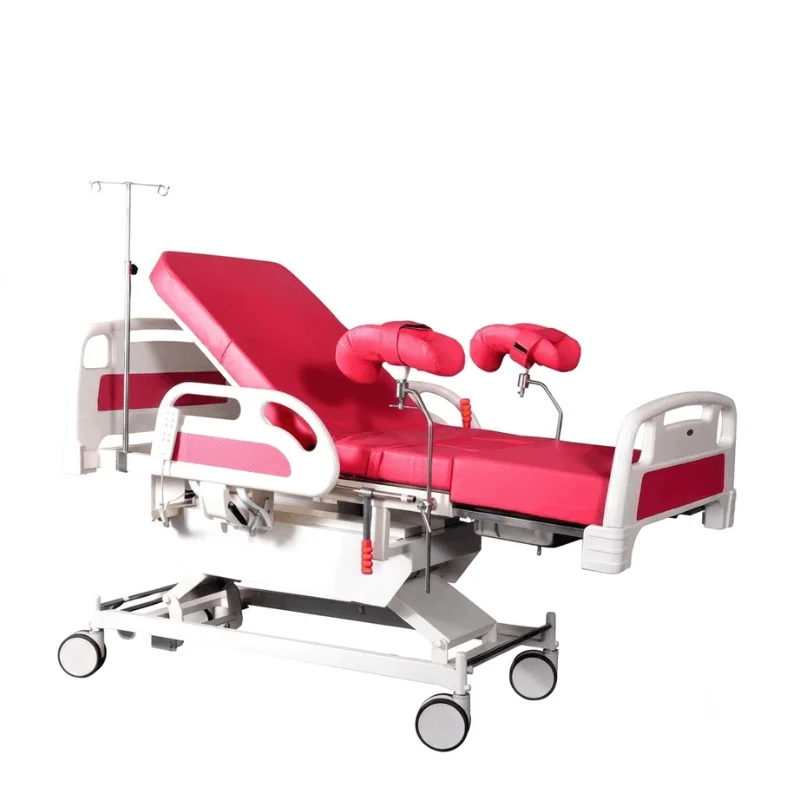
MS Delivery bed
Original price was: ₹70,000.00.₹49,000.00Current price is: ₹49,000.00.
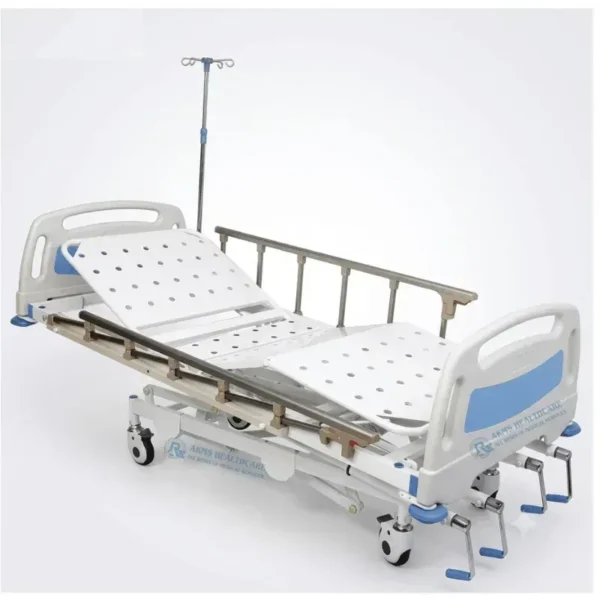
A labour room bed does three things, really. Holds the patient steady. Lets staff position her properly. Keeps everyone safe through a process that can move fast. This MS delivery bed covers all three. Frame’s built in mild steel, solid and able to take daily wear without flexing. Side rails fold down when not needed and lock up when they are. Stirrup supports extend out for delivery positioning. An IV pole stands at one end, and the whole thing rolls on caster wheels so it’s not stuck in one spot.
Description
What “MS” Actually Means Here, and Why It Matters
Mild steel isn’t glamorous, but it’s genuinely the right material for a bed frame that needs to carry real weight through years of daily labour room use. A mild steel LDR bed built properly, with a decent powder coat finish, holds up against the frequent cleaning every labour room bed goes through. Cheaper beds sometimes skip the coating quality, and that’s exactly where rust starts showing up at the welds within a year or two.
Side Rails Aren’t Decoration
A patient in labour isn’t always calm or still. A delivery bed with side railings gives staff something to raise quickly if a patient needs extra support or protection, and something to fold flat the moment it’s in the way during delivery itself. The government LDR bed specification actually calls this out directly, collapsible SS-grade side rails, because it genuinely affects patient safety during a process that can shift from calm to urgent within minutes.
The IV Pole Is a Small Thing That Solves a Real Problem
A labour room bed with IV pole built in means nobody’s wheeling a separate stand around or trying to balance a drip line awkwardly during delivery. It sounds minor until you’re the one managing it mid-procedure. Having it fixed to the bed, within easy reach, is one less thing to think about.
Getting It Where It Needs to Go
Being a hospital delivery bed on wheels, moving this between a labour room and a recovery area, or repositioning within the same room, doesn’t need three people lifting a frame. Caster wheels handle that. Lock them once it’s where it needs to be, unlock to reposition.
What a Properly Built Delivery Bed Should Have
Based on government labour room equipment guidance, a bed in this category should generally include:
- Collapsible side rails, SS-304 grade where possible
- Push grip handles with cushioned padding for safe manoeuvring
- A catheter bag holder fitted to the frame
- Epoxy powder coated steel for the main structure
- Provision for attaching stirrups or lithotomy supports
Worth checking this specific bed against that list before finalising the listing.
Where This Bed Gets Used
- Labour rooms in hospitals and maternity centres
- Nursing homes and smaller facilities offering delivery services
- Rural and community health centres following standard LDR equipment guidelines
- Teaching hospitals demonstrating labour room equipment
- Facilities replacing older beds that no longer meet safety standards
Keeping It in Working Order
Wipe the frame and padded surfaces down with standard disinfectant after every use. Check the side rail locking mechanism regularly, loose or sticky rails are a genuine safety concern in an active labour room. Inspect the caster wheels and IV pole fitting from time to time, tightening anything that’s started to loosen.
Reviews (0)
Related products
-
Hospital ICU Bed
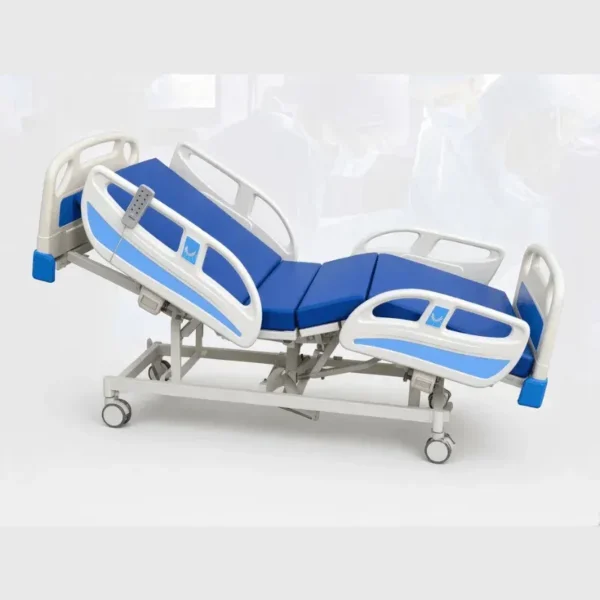
Electric ICU Bed Three function
Original price was: ₹20,000.00.₹14,999.00Current price is: ₹14,999.00. Add to cart -
Hospital ICU Bed
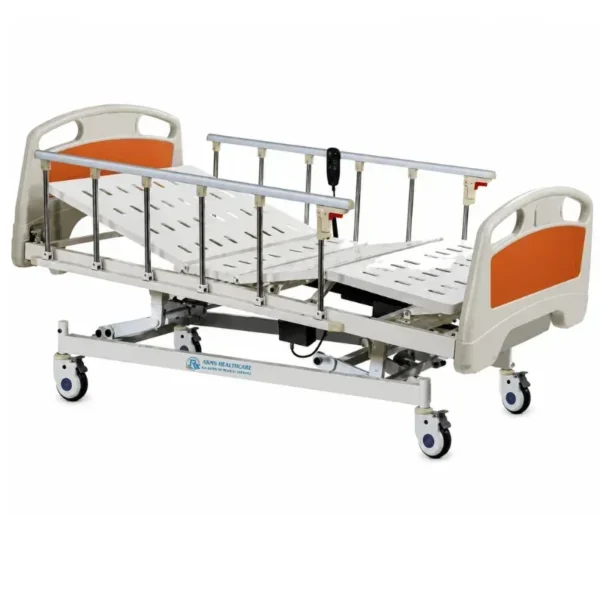
Automatic ICU Five Functional Electric Bed
Original price was: ₹50,000.00.₹39,999.00Current price is: ₹39,999.00. Add to cart -
Hospital ICU Bed
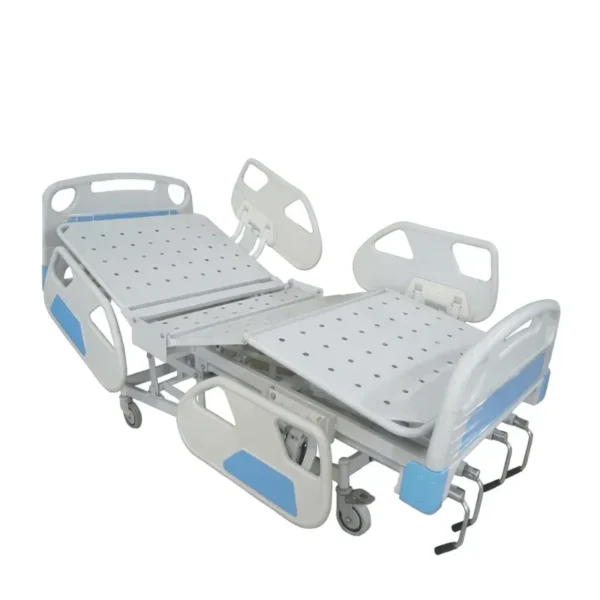
ICU-Five-Functional manual bed
Original price was: ₹35,000.00.₹26,999.00Current price is: ₹26,999.00. Add to cart -
Hospital ICU Bed
Five Functional Manual ICU Bed
Original price was: ₹50,000.00.₹39,999.00Current price is: ₹39,999.00. Add to cart
Reviews
There are no reviews yet.