

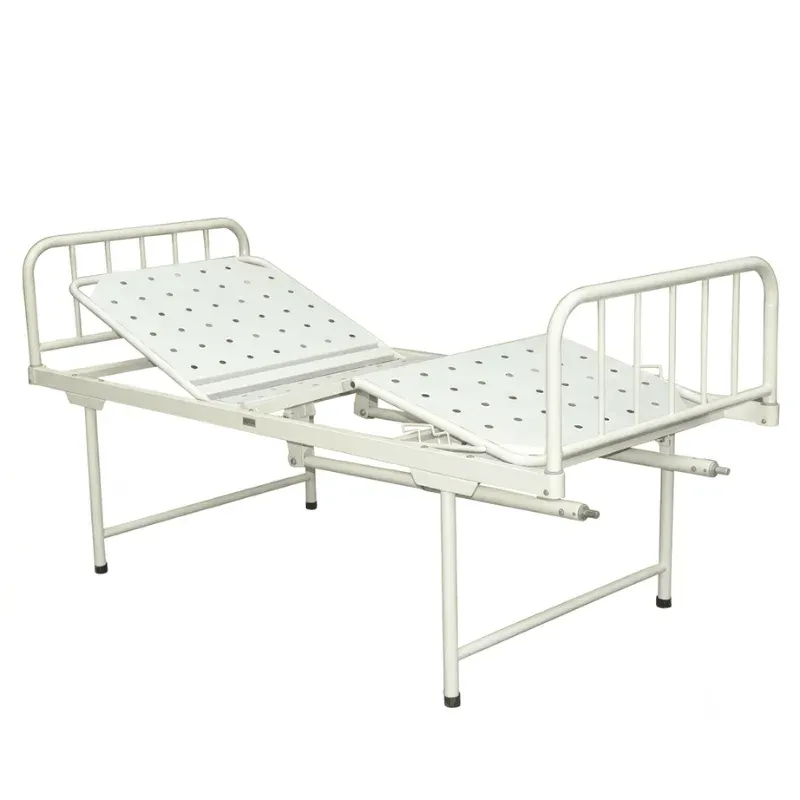
Manual Fowler Bed (2-Function, Crank Operated)
Original price was: ₹15,999.00.₹7,899.00Current price is: ₹7,899.00.
A simple, hand-operated hospital bed. Turn the crank and the backrest or knee rest moves to the angle you need. No motor, no power supply, nothing to go wrong during a power cut. The perforated steel top and powder-coated frame are easy to clean, which is what most hospitals and families want from a bed they’ll use every day.
Description
What is this bed?
Most patients who can’t leave their bed are more comfortable when they aren’t lying completely flat. Eating, breathing, talking to visitors and even watching TV are all easier when the upper body is raised. This bed is built for exactly that.
It has two adjustable sections, the backrest and the knee rest, and both are moved with crank handles. You don’t need to lift the patient or stack pillows behind them. Turn the handle, set the angle, and the bed holds it there.
Why people choose a manual fowler bed
Honestly, the biggest reason is that it’s simple. There’s no motor to burn out and no remote to lose, and no electrician to call. If a crank feels stiff, a drop of oil usually fixes it.
The second reason is price. A manual bed costs much less than an electric one, so a clinic or ward can buy several beds for the budget of a few. For families setting up home care, it’s often the sensible first choice, especially when the patient needs the bed for a few weeks or months rather than years.
What you get
- Two-section adjustment: backrest and knee rest, each with its own crank
- Perforated bed top: the holes let air through and make wiping down quicker
- Tubular steel frame with a powder-coated finish that holds up to regular cleaning
- Head and foot panels with vertical bars, so there’s a solid edge at both ends
- Rubber-capped legs to protect the floor [confirm: castors available or not]
Where it’s used
Hospital wards and nursing homes are the obvious ones. We also supply it to people setting up a bed at home for a parent or spouse after surgery, a stroke, a fracture, or during long-term illness. Physiotherapy and rehabilitation centres use it too, because sitting a patient up for exercises is much easier with an adjustable back.
Whatever the case, ask the doctor or physiotherapist what angle suits the patient and for how long. Sitting up is helpful, but the right position depends on the condition.
Looking after it
Wipe the frame with a mild disinfectant and a soft cloth. Avoid strong acid-based cleaners, since they damage the powder coating over time. Put a little grease or oil on the crank mechanism every few months, and tighten the bolts now and then. That’s really all it needs.
Reviews (0)
Related products
-
Hospital Trolleys
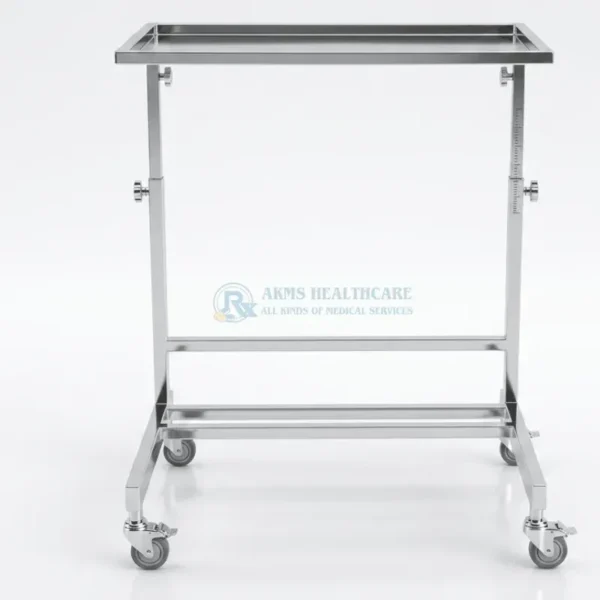
Major Mayo Trolley
Original price was: ₹20,000.00.₹14,500.00Current price is: ₹14,500.00. Add to cart -
Hospital Trolleys
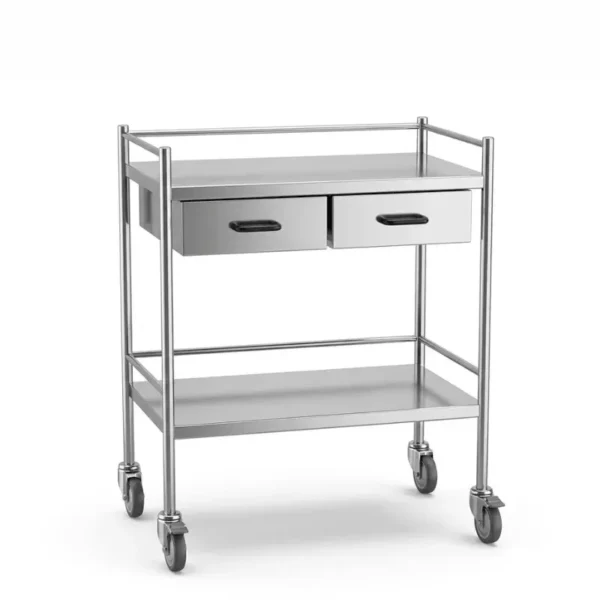
Box Type Instrument Trolley
Original price was: ₹10,000.00.₹6,499.00Current price is: ₹6,499.00. Add to cart -
Delivery And Operation Table
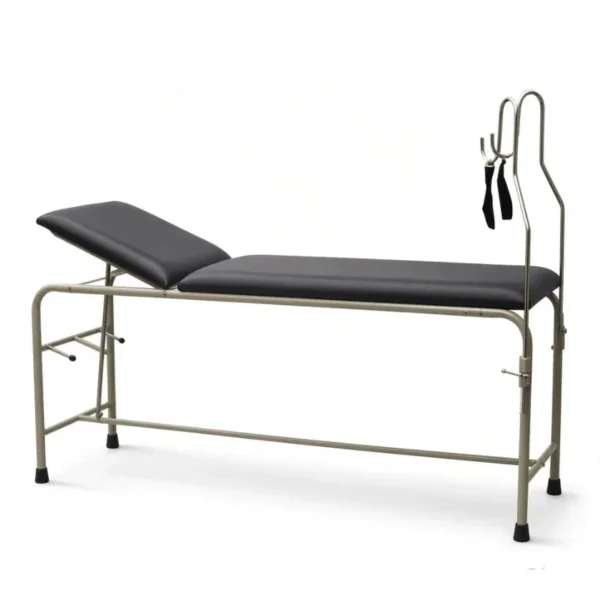
Delivery Tables
Original price was: ₹8,000.00.₹5,799.00Current price is: ₹5,799.00. Add to cart -
Hospital Bed
plain hospital bed
Original price was: ₹6,999.00.₹3,499.00Current price is: ₹3,499.00. Add to cart
Reviews
There are no reviews yet.